PLATE: Turning Plastic Waste into a Giant Mosaic! 

Greek Eco Project is transforming plastic bottle caps and packaging into art. And we want you to be part of it!
So, what exactly is PLATE? 
PLATE is a participatory initiative we're implementing as part of the European project FEED YOUR FUTURE, co-funded by the European Union.
At its heart are two important concepts: Zero Waste: How can we reduce the waste we generate and find new uses for materials we would normally throw away?
 Food Sustainability: How can we reduce food waste and adopt more sustainable habits in our everyday lives?
Instead of simply talking about these challenges, we decided to turn them into… art!
From Bottle Caps to Mosaic Tiles! 
It all started at our Reuse and Circular Economy Center, which we operate in collaboration with the Municipality of Thessaloniki.
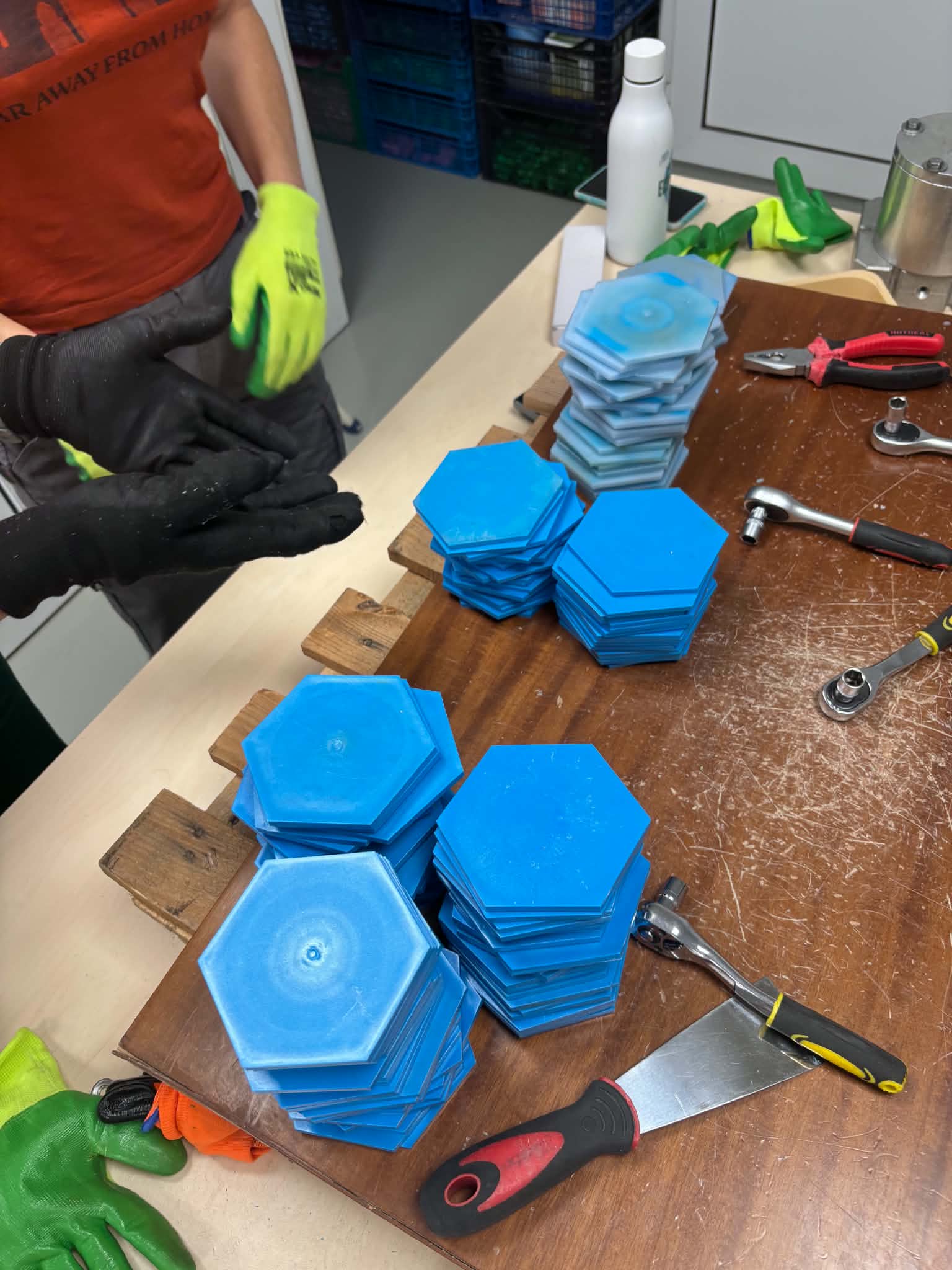
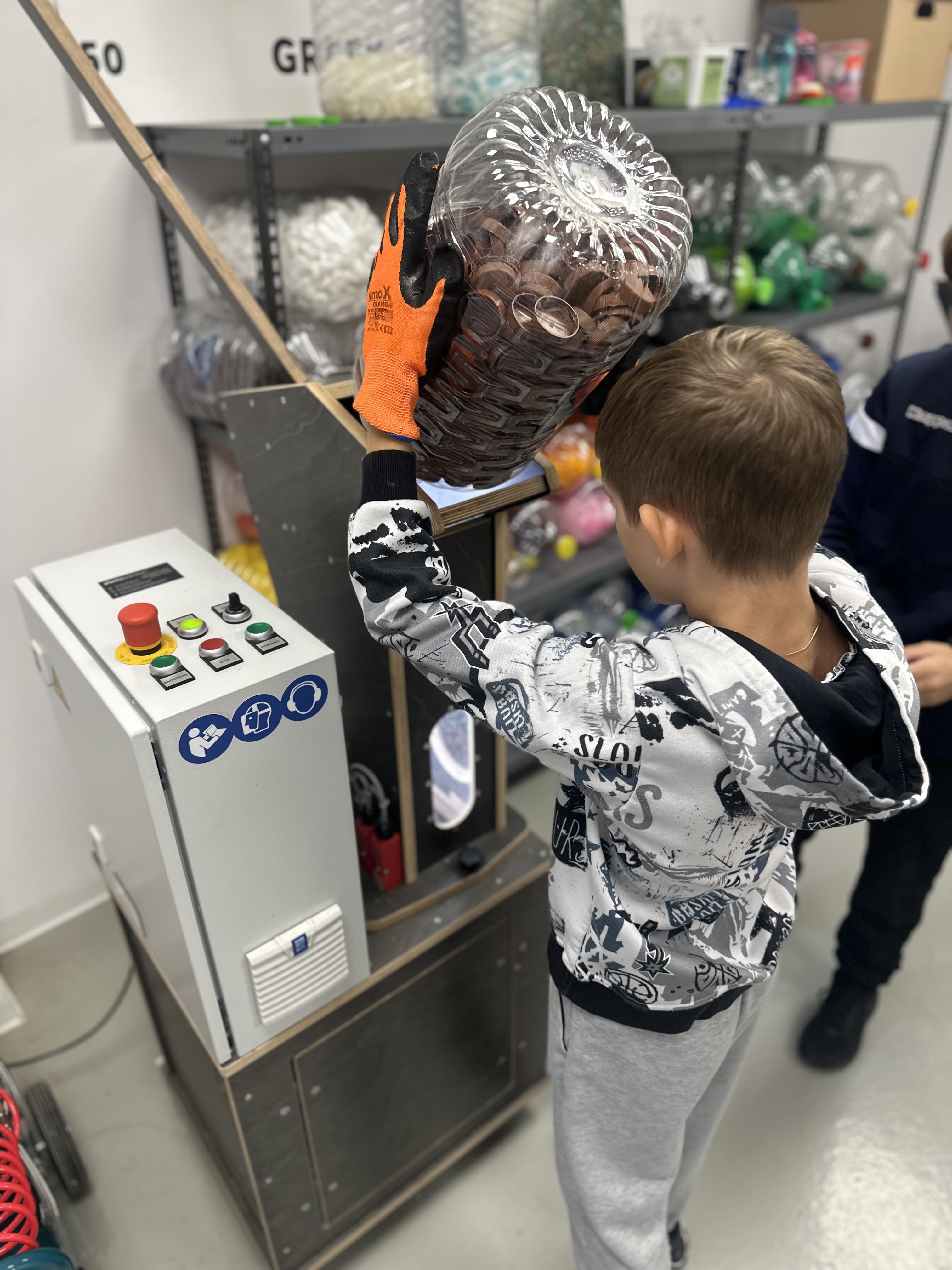
Through a series of participatory workshops, we collected and processed used plastic packaging and bottle caps.
The materials were sorted, shredded, and transformed into small, colorful mosaic tiles.
And that's where the creativity began!
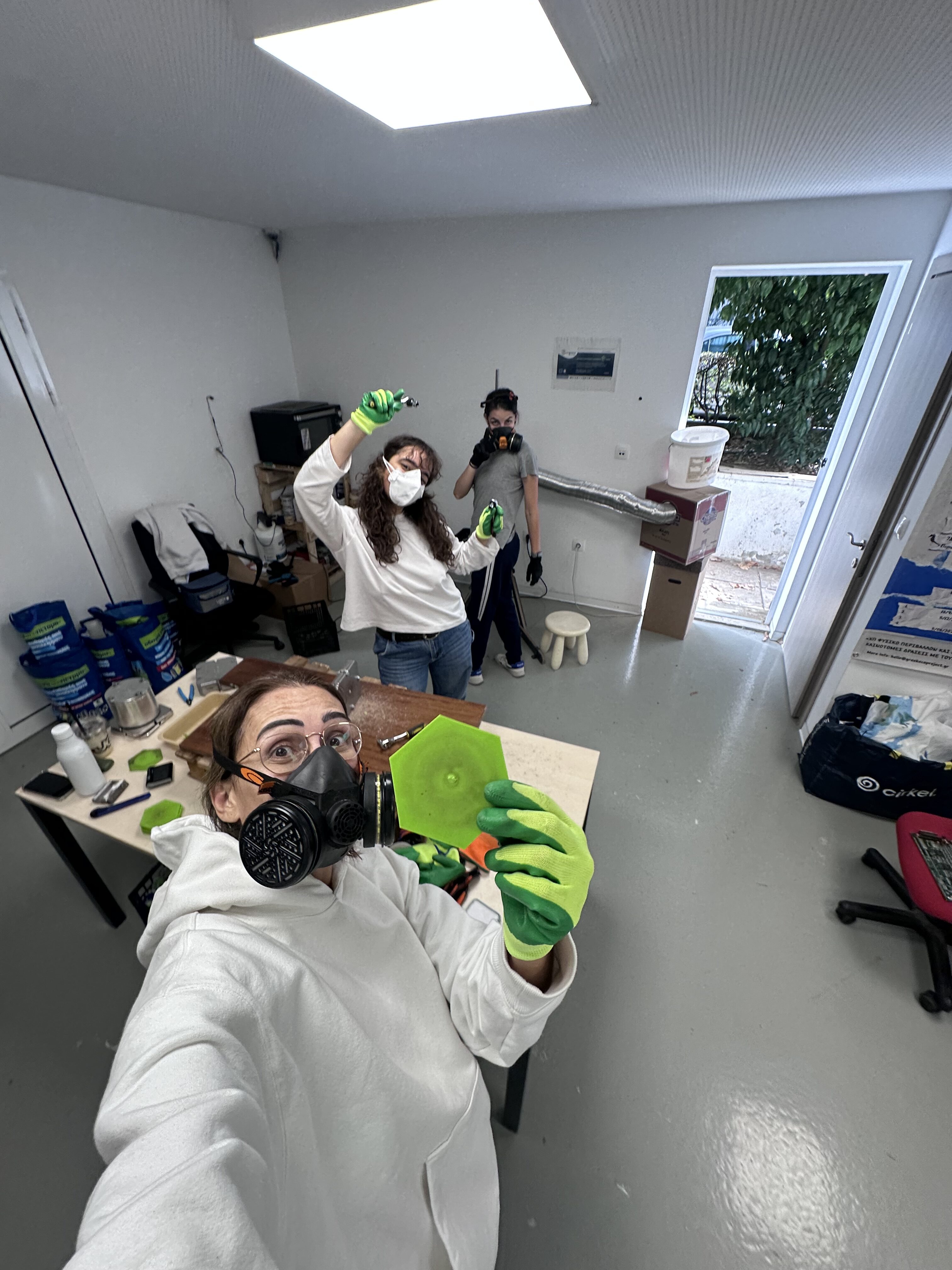
Throughout this creative journey, we were joined by two talented women artists, Konstantina Leontara and Melanie, whose imagination, ideas, and creativity contributed to both the artistic design of the mosaics and the production of the recycled plastic tiles.
Together with them, people of all ages participated in our workshops, discovered how the circular economy works in practice, and helped prepare the elements that will bring our mosaics to life.
Every tile tells a small story of reuse. And together, they can tell a much bigger one!
A Globe, Colorful Fruits, and Thousands of Tiny Pieces! 

And Now… A Few Questions! 
 How many plastic bottle caps did it take to create all these mosaic tiles? How many plastic hexagonal tiles did we create in total? How many plastic water bottle caps did we use? How many kilograms of plastic waste did we transform into art? How many people joined forces to bring this project to life?
The answers will be revealed on Saturday, November 7, once we've completed the artwork and counted everything!
Until then… take a guess! 
And Now… A Few Questions!
How many plastic bottle caps did it take to create all these mosaic tiles? How many plastic hexagonal tiles did we create in total? How many plastic water bottle caps did we use? How many kilograms of plastic waste did we transform into art? How many people joined forces to bring this project to life?
The answers will be revealed on Saturday, November 7, once we've completed the artwork and counted everything!
Until then… take a guess!
Students Become Creators! 
On Friday, November 6, students from the 15th Junior High School and the 15th General High School of Thessaloniki will take center stage in our creative initiative!
They will place the recycled plastic tiles onto specially prepared wooden bases, helping bring the mosaics to life.
Because environmental education doesn't have to stay inside the classroom.
It can happen right on the streets, through collaboration, creativity, and hands-on experiences!
And Then? Where Will the Mosaics Go? 
Here's one of the most beautiful parts of PLATE!
The artworks we create will be donated to schools across Thessaloniki.
This way, plastic materials that were once destined to become waste will return to the educational community as works of art and tools for environmental awareness.
Each mosaic will serve as a reminder that materials can gain new value and that change begins with the choices we make every day.
And This Is Where We Need Your Help!  Which schools in Thessaloniki would you like to see receive a piece of our mosaic project?
Do you know a school that would love to host one of our creations?
Suggest your school or another school in the city by sending your recommendation to hello@greekecoproject.gr! 
We want our mosaics to travel to schoolyards and classrooms, sparking conversations, inspiring new ideas, and encouraging more environmental initiatives.
Because PLATE doesn't end when the last tile is placed. That's when its journey truly begins!
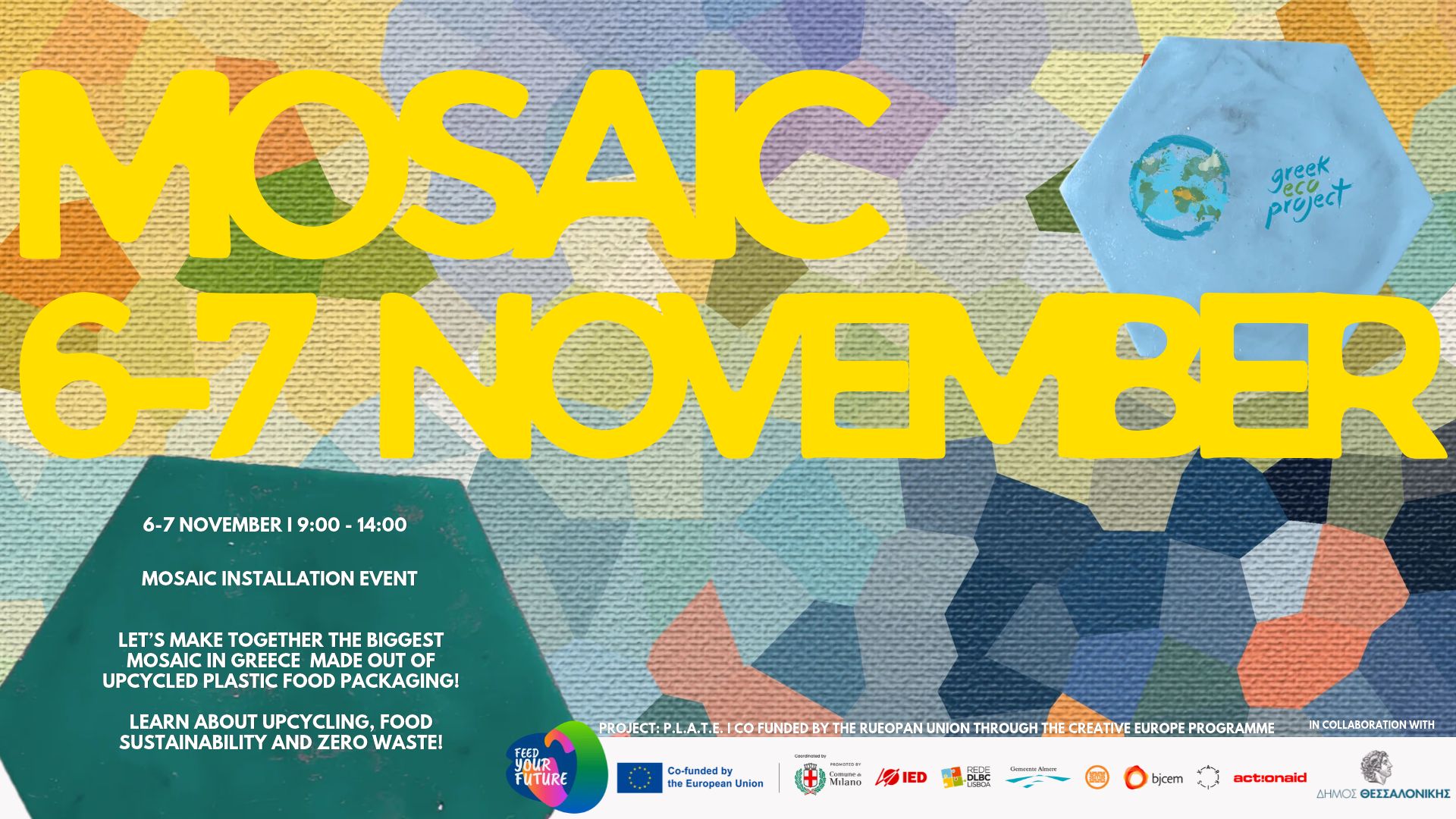
Come Create With Us!
 Friday, November 6 & Saturday, November 7, 2026
 09:00–14:00
 Georgiou Stavrou Pedestrian Street, corner of Karolou Dil Street, Thessaloniki, Greece Participation is free and open to everyone!
The event is organized by Greek Eco Project, in collaboration with the Municipality of Thessaloniki.
Come and add your own tile to our mosaic!
Because a single plastic bottle cap may seem insignificant, but when thousands of small pieces come together, they can create something extraordinary.
Small Tiles. Big Ideas. One Planet That Needs Us All!