Did you know ? May 20th is World Bee Day ! For the occasion, I thought I’d talk not only about bees but also about pollinators in general : butterflies, bumblebees, mosquitoes, wasps, flower flies, and many others.
What are they for? They pollinate, just like bees.
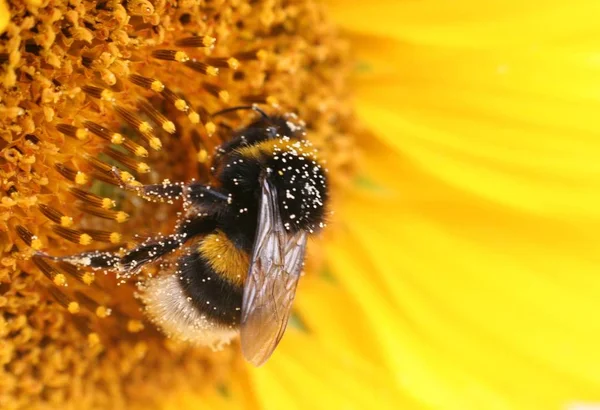
Pollination is the transfer of pollen from the male part of a flower to the female part, in simple terms. This process enables fertilization and, above all, the production of fruits and seeds. It can be carried out by animals, water, or wind, but the majority of flowering plants rely on insects. This is why they are essential to biodiversity and form the foundation of food for all living beings! For example, did you know that a single spoonful of honey represents the entire life of 12 bees?
So if insects are so important for ecological balance, why not start by becoming aware of their importance and helping them? You don’t need a garden, a simple balcony is enough. A few pots of rosemary are perfect, as they bloom early in the year and are precious for our pollinators! Lavender (very hardy), thyme (also blooms in spring), or oregano. These are easy-to-access and low-maintenance plants.
For those who prefer flowers: echinacea, zinnia, roses, marigolds, and anything you like!
For people with gardens, please avoid mowing your lawn in early spring. The reason is that you remove the precious resources that pollinators need to start the season on the right foot. If you have no choice, try to leave some wild patches that you mow at different times during the season. You’ll be helping biodiversity!
Back to bees, according to INRAE, 35% of global production (fruits, vegetables, and oilseeds) results from pollination by insects, animals, and above all, bees.

On the left, a breakfast with bees; on the right, without bees.
We don’t always realize it, but if bees and all other pollinators no longer existed, the variety in our plates would be drastically reduced. I invite you to search for videos or articles on this subject. We owe so much to these insects!
Talk about it around you in honor of May 20th, World Bee Day!
Written by Clara Deltour
Bibliography:
1. “15 pollinating animals”
Link : https://www.educanature.fr/15-
2. “20 plants to attract insect pollinators”
Link : https://www.promixgardening.
3. “Pollination : Food doomed to disappear with the extinction of bees”
Link : https://www.consoglobe.com/